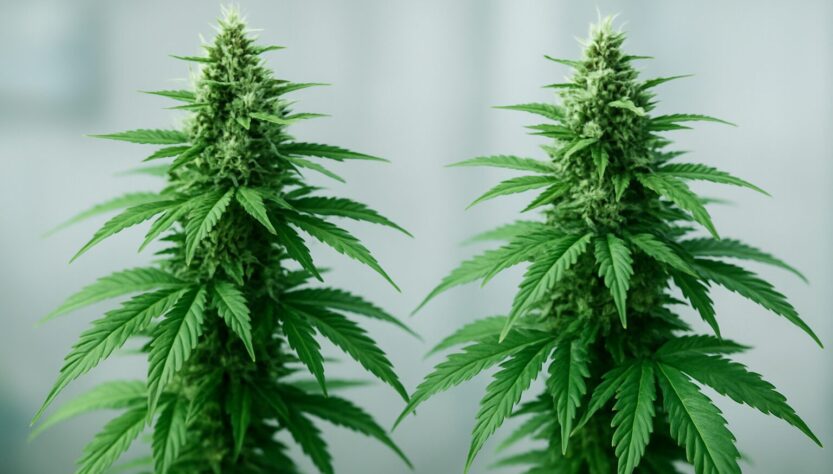
Cannabis shoppers often encounter familiar category names when browsing different varieties and product profiles. The traditional Sativa vs Indica distinction can help introduce broad differences in cannabis, particularly when considering plant structure, flower characteristics, aroma, and genetic background. Although these categories are not complete descriptions of modern cannabis, they remain useful reference points for understanding the terminology shoppers commonly encounter.
Jump To
- What Is the Most Noticeable Difference?
- What Do Shoppers Notice in Cannabis Flower?
- How Does Aroma Differ Between Varieties?
- Why Are Terpenes Important for Shoppers?
- Does Cannabinoid Content Change the Comparison?
- How Does Genetics Influence What Shoppers See?
- Where Do Hybrid Varieties Fit?
- Can Shoppers Judge a Variety by Appearance Alone?
- What Product Details Are Most Useful?
- Why Are Traditional Categories Still Relevant?
- Conclusion
What Is the Most Noticeable Difference?
The most visible distinction traditionally appears in the plant’s physical structure. Sativa-associated plants are generally taller, with narrower leaves and more open growth patterns. Indica-associated plants are typically shorter, broader, and more compact.
These characteristics can make the two traditional categories visually recognizable during cultivation. However, modern hybrids can display a mixture of traits, creating considerable variety between individual cultivars.
What Do Shoppers Notice in Cannabis Flower?
Flower characteristics can vary considerably across cannabis varieties. Shoppers may observe differences in bud shape, density, size, color, trichome coverage, and overall texture.
Traditional indica-associated genetics are often connected with compact and dense flowers, while sativa-associated genetics may produce more elongated structures. Cultivation conditions and genetics can influence these features, so appearance is best considered as one part of the overall product profile.
How Does Aroma Differ Between Varieties?
Aroma is one of the first sensory characteristics shoppers may notice. Cannabis varieties can produce earthy, citrus, fruity, floral, herbal, pine-like, or spicy scents.
These differences are largely connected to terpene composition rather than the category label itself. As a result, two products described using the same traditional classification can have very different aromatic profiles.
Why Are Terpenes Important for Shoppers?
Terpenes are naturally occurring compounds that contribute to cannabis aroma and flavor. Commonly discussed examples include limonene, myrcene, pinene, and caryophyllene.
Examining terpene information can help shoppers understand the sensory identity of a particular cultivar. It also provides a useful way to compare products beyond the basic sativa or indica terminology.
Does Cannabinoid Content Change the Comparison?
Cannabinoid content adds another measurable layer to cannabis product descriptions. THC and CBD are among the best-known cannabinoids, and their concentrations can vary from one variety to another.
A shopper comparing products can therefore examine cannabinoid information alongside the traditional category. This provides additional context and helps distinguish individual products that might otherwise appear similar.
How Does Genetics Influence What Shoppers See?
Genetics form the foundation of many cannabis characteristics. They influence plant structure, flower development, cannabinoid production, terpene expression, and other traits.
Because cannabis genetics have been extensively crossbred, modern cultivars can contain characteristics from multiple lineages. This is why category labels can sometimes provide only a broad description of an individual product.
Where Do Hybrid Varieties Fit?
Hybrid varieties combine genetic traits from different cannabis lineages. They can display physical and chemical characteristics traditionally associated with both sativa and indica.
For shoppers, hybrids create an expanded range of options. Instead of choosing between two strictly defined categories, consumers can explore products across a broad genetic spectrum with different aromas, flavors, flower structures, and cannabinoid profiles.
Can Shoppers Judge a Variety by Appearance Alone?
Appearance provides useful visual information, but it does not reveal every characteristic of a cannabis product. Color, bud structure, density, and trichomes can vary due to genetics and cultivation practices.
A more complete evaluation combines visual characteristics with cannabinoid information, terpene details, cultivar background, and product descriptions.
What Product Details Are Most Useful?
Shoppers can look for several pieces of information when comparing varieties. Category, cultivar or strain name, THC and CBD content, terpene profile, aroma, flavor, flower appearance, and product format can all contribute to a more complete comparison.
Reviewing these details together can make product descriptions easier to understand and help shoppers recognize meaningful differences between options.
Why Are Traditional Categories Still Relevant?
Despite the growth of modern hybrid genetics, sativa and indica remain familiar terms throughout the cannabis industry. They offer a simple vocabulary for introducing broad botanical differences.
Their greatest value comes when they are used alongside more detailed product information. This combination allows shoppers to understand both the traditional classification and the individual characteristics of a modern cannabis variety.
Conclusion
The differences shoppers notice between traditional sativa and indica categories can involve plant structure, flower appearance, aroma, and genetic background. Sativa-associated plants are generally taller and narrower, while indica-associated plants are traditionally shorter and more compact. Terpenes, cannabinoids, cultivation practices, and hybrid genetics add significant variety to these broad classifications. Understanding these factors together gives cannabis shoppers a clearer way to explore the diverse characteristics found across today’s product selection.
At a Glance
- The traditional Sativa vs Indica distinction helps introduce broad differences in cannabis, particularly in plant structure, flower characteristics, aroma, and genetic background.
- Sativa-associated plants are generally taller and have narrower leaves, while indica-associated plants are typically shorter and more compact.
- Aroma differences in cannabis are largely connected to terpene composition rather than the traditional category label, resulting in varying aromatic profiles even within the same classification.
- Cannabinoid content, particularly THC and CBD concentrations, varies between cannabis varieties and adds another layer to product comparisons for shoppers.
- Hybrid varieties combine traits from different cannabis lineages, allowing for a broader range of options that can display characteristics traditionally associated with both sativa and indica.
- Categories like sativa and indica remain relevant by providing a simple vocabulary for introducing broad botanical differences, especially when used alongside detailed product information.